When moisture raises questions
Look for the condition. Not just the stain.
Suspected mold is often part of a larger moisture story. Testing and a careful discussion of accessible conditions can help you decide what deserves attention next.
01 / 05
Start with moisture, not assumptions
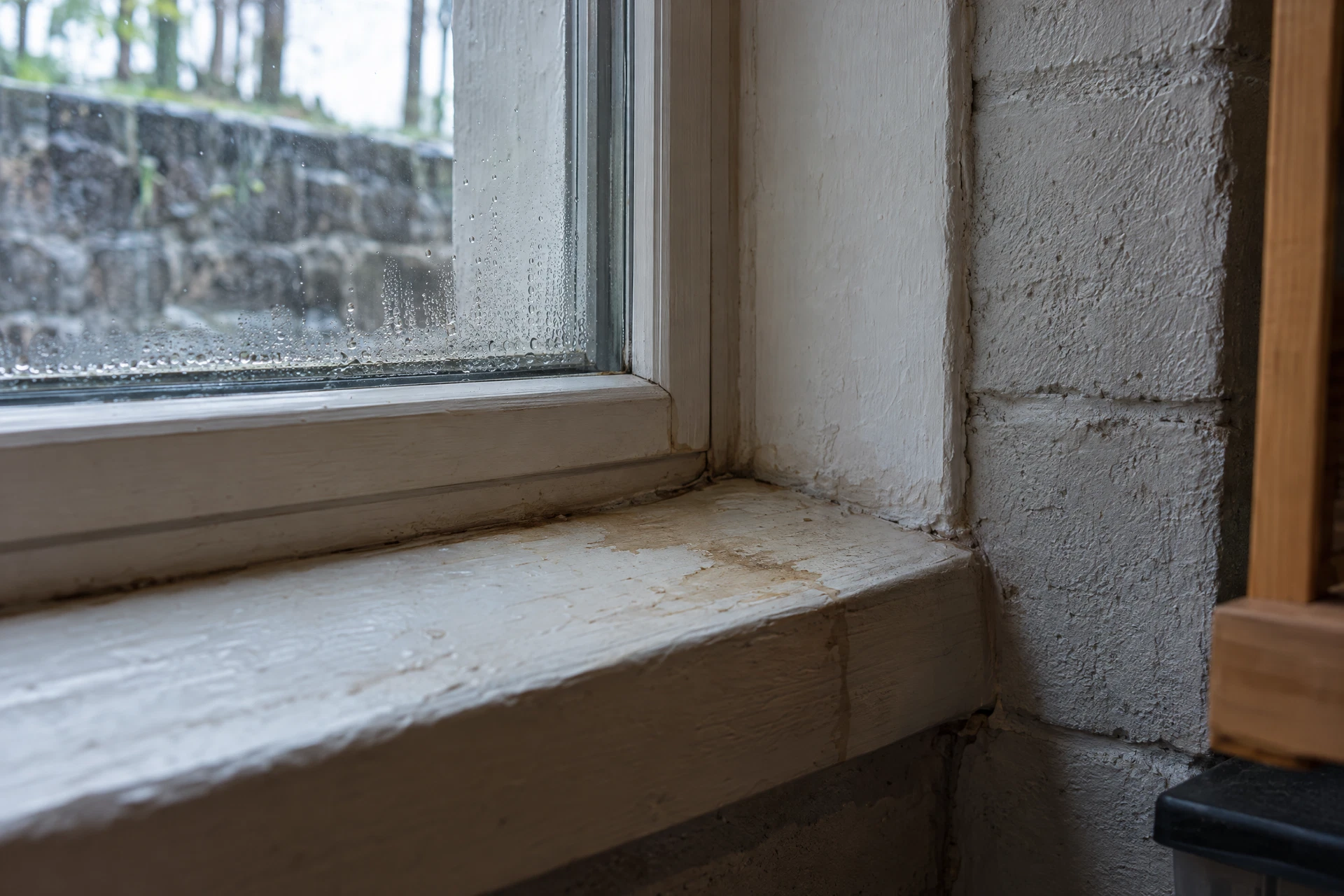
A stain, a damp corner, a recurring odor or a past leak can all raise a question about mold. The more useful first question is usually: where is moisture coming from, and what has it affected? Water can travel from a roof, window, plumbing connection, foundation area or condensation point before it becomes noticeable indoors. Looking at the moisture story keeps the conversation practical instead of jumping to conclusions based on one mark or smell.
Rojek Home Services offers mold testing as a targeted service for Chicagoland buyers, sellers and homeowners. It is separate from a general home inspection, but it can be discussed alongside one when the concern is part of a larger property decision. Tell us what you noticed, where it is, and whether the condition followed a leak, flooding, repair or seasonal change. That context helps us consider an appropriate scope before the visit.
02 / 05
Build a picture from accessible conditions
The location and timing matter
Our inspection begins with the areas that can be safely and reasonably accessed. We consider the condition in context: visible staining, dampness, material deterioration, surface growth, condensation and a persistent musty odor may each prompt useful questions. We also look at the nearby building conditions that may be relevant, without assuming that any one clue proves a cause or describes what is concealed behind finishes.
Bring any helpful history with you. A bathroom ceiling that changes after showers calls for a different conversation than a basement wall that became damp after a heavy rain. Our role is to document accessible observations in plain language so that you can understand what was seen on the day—not to turn every condition into an emergency.
Clear limits make the observation more useful
Stored belongings, finished walls, flooring, insulation and other inaccessible areas can limit what any visual visit can reveal. An inspection cannot confirm the condition inside every cavity, identify every past event or promise that future moisture will not occur. We keep those limits visible in the discussion so the next decision is based on what is known, what is uncertain and what deserves further attention.
What to bring to the conversation
Patterns, timing and place.
- Where did you notice the condition?
- Was there a known leak or flooding event?
- Has the area changed with the season?
- What has already been repaired or tested?
03 / 05
Consider testing when it answers a defined question
Testing is an option, not an automatic answer to every stain or odor. Where visible growth is already apparent, the important issue may be correcting the moisture condition and planning appropriate cleanup rather than seeking a label. In other situations, a targeted test may be worth discussing because it can add information to a specific question. We will talk through the concern, the accessible area and what the requested scope can reasonably address before testing is arranged.
A result is information tied to the material or location evaluated and the conditions at that time. It is not a whole-house clearance, a guarantee that concealed conditions are absent or a prediction of what may happen after a later leak. Rojek does not use a testing conversation to offer a health diagnosis or to make a remediation decision for you. For a homeowner-oriented explanation of why moisture control matters, the EPA's guide to mold, moisture and your home is a useful starting point.
04 / 05
Turn observations into practical next steps
Address the water question first
When active water entry, a leak or persistent dampness is evident, stopping and correcting that condition is generally the sensible priority. Depending on what is observed, your next conversation may be with the appropriate repair professional for roofing, plumbing, drainage, ventilation or another relevant system. A test is not a repair plan, but a carefully documented concern can help you frame the work that needs clarification.
If the concern extends beyond accessible areas, follows substantial water damage or needs a more specialized investigation, we may recommend that you consult a qualified specialist. That is not an alarm; it is a way to match the next step to the limits of the observation. Buyers can also use the findings to ask focused questions during a transaction, while current owners can make a maintenance or repair plan without guessing at the source.
05 / 05
A calm, local conversation about the home in front of you
Rojek serves homes across Cook, DuPage, Will, Grundy and Kendall counties; confirm a particular address through our service areas page or when you book. Our services are designed to help clients choose a scope that fits the property and their question, rather than treating every moisture concern as the same problem.
You will work with a real Chicagoland inspection company, not a one-person script. Learn more about Rojek, including founder Mark Rojek's construction experience and firefighter/paramedic service, which informs the team's calm, methodical approach to observing conditions and explaining them plainly. You can also meet the team behind the work.
If moisture or a suspected mold condition has raised questions about a home, schedule an inspection and share the location, timing and history of what you have noticed. We will help you decide whether a general inspection, a targeted mold-testing conversation or another next step makes sense for the property.
The next conversation
Talk with the Rojek team.
Tell us about your property and what you most want to understand. We will help you choose the right inspection conversation.